
Have you ever wondered if pre-owned parts could be a smart choice for your ride? Many riders overlook the potential of second-hand components, but they can offer excellent value when chosen wisely. Whether you’re upgrading your rear wheel or replacing the front wheel, understanding what to look for is key.
Investing in pre-owned parts doesn’t mean compromising on quality. With proper inspection, you can find components that enhance your bike’s performance while saving money. For instance, a well-maintained Harley Davidson part can be just as reliable as a new one.
This section will guide you through the essentials of selecting quality pre-owned components. You’ll learn how to assess their condition, understand their impact on performance, and make cost-effective decisions. Let’s dive in and explore how you can make the most of your next purchase.
Key Takeaways
- Pre-owned parts can be a cost-effective alternative to new ones.
- Always inspect the condition of components before purchasing.
- Properly maintained parts can enhance your bike’s performance.
- Reliability depends on the part’s history and maintenance.
- Market availability varies, so research is essential.
Understanding Motorcycle Wheel and Tire Specifications
When upgrading your bike, knowing the technical details of components is crucial. Accurate measurements and profiles ensure a perfect fit and optimal performance. This section will guide you through identifying dimensions, recognising patterns, and assessing rubber quality.
Identifying Wheel Dimensions and Profiles
Wheel dimensions are vital for compatibility. For example, a 180mm width tyre with a 55% aspect ratio results in a 99mm sidewall height. These measurements affect handling and stability. Always check the bead-seat diameter, expressed in inches, to ensure it matches your bike’s requirements.
Profiles also play a significant role. A 180/60 tyre offers quicker turns compared to a 180/55. Wider tyres provide a larger footprint, enhancing grip but may alter handling characteristics. Understanding these details helps you make informed choices.
Recognising Tyre Patterns and Rubber Quality
Tyre patterns influence traction and performance. Radial tyres, marked with an “R,” are ideal for high-speed applications. Bias tyres, indicated by a dash, are better for moderate speeds and heavier loads. Bias-belted tyres, marked with a “B,” are reinforced for durability.
Rubber quality is equally important. Look for tyres with a load index and speed rating that match your needs. For instance, a load index of 73 supports up to 365 kg, while a speed rating of “W” allows speeds over 270 km/h. These specifications ensure safety and reliability.
Evaluating Quality and Condition of Pre-Owned Parts
Evaluating the quality of pre-owned components requires a keen eye and attention to detail. A well-maintained part can perform like new, but it’s crucial to identify any hidden issues. This section will guide you through the process of inspecting for wear and structural integrity.

Signs of Wear and Structural Integrity
Start by examining the surface for scratches or faded finishes. While these may seem minor, they can indicate deeper problems. For example, a Harley Davidson rim with black marks might have experienced excessive heat or stress.
Next, check for dents or bends. Spin the part if possible to spot irregularities. Structural damage can compromise safety and performance. Look for rust or corrosion, especially in areas exposed to moisture.
Assess the tread depth if applicable. A minimum of 1/16 inch ensures proper grip and safety. Use a tread depth gauge for accuracy. If the part shows uneven wear, it may have been improperly used or stored.
Finally, verify the seller’s reputation and ask for maintenance records. A thorough inspection can save you from costly mistakes and ensure a reliable purchase.
Selecting the Right Used Motorcycle Wheels and Tires
Finding the perfect fit for your bike ensures a smoother and more reliable ride. Matching the right components to your bike’s specifications is crucial for both performance and safety. Many platforms allow you to filter results by specific models and part details, making the process easier.
Start by checking the dimensions and profiles of the components. For example, a Yamaha model may require specific measurements for optimal fitment. Always cross-reference the part numbers to ensure compatibility. This step helps you avoid costly mistakes and ensures a seamless installation.
Original equipment specifications (OEM) are a reliable benchmark. Parts that meet OEM standards are designed to match your bike’s exact requirements. This guarantees both safety and performance. If you’re unsure, consult the manufacturer’s guidelines or seek expert advice.
Matching Specifications to Your Bike
Here’s a quick guide to help you match the right parts to your bike:
| Brand | Model | Part Number | Dimensions |
|---|---|---|---|
| Yamaha | MT-07 | 12345 | 180/55 R17 |
| Yamaha | YZF-R3 | 67890 | 140/70 R17 |
| Harley Davidson | Street Glide | 54321 | 180/65 R16 |
Always verify the fitment before purchasing. Use online tools or consult with sellers to confirm the part’s compatibility. This ensures you get the right component for your bike without any surprises.
By following these steps, you can confidently select the right part for your ride. Whether it’s a Yamaha or another brand, matching specifications ensures a perfect fit and enhanced performance.
Assessing Rear Wheel and Front Wheel Conditions
Ensuring the safety of your ride starts with a thorough inspection of its components. Whether you’re evaluating a rear or front wheel rim, understanding the signs of wear and structural integrity is crucial. This guide provides practical tips to help you make an informed decision.

Inspection Tips for Rear Wheel Rims
Begin by examining the surface for scratches or dents. These can indicate improper use or storage. Spin the rim to check for lateral distortion. For steel rims, the maximum limit is 4mm, while aluminium alloy rims should not exceed 2mm.
Check the chrome finish for fading or peeling. This can expose the underlying material to corrosion. Inspect the rotor for signs of wear or damage. A warped rotor can affect braking performance and safety.
Use a tread depth gauge to measure the rubber. A minimum of 1.0mm ensures proper grip. If the tread shows uneven wear, it may have been improperly used or stored.
Ensuring Front Wheel Rim Safety
Safety checks for front wheel rims are equally important. Look for cracks or bends, especially in high-stress areas. Excessively worn or damaged hubs can compromise the entire assembly.
Inspect the chrome finish for consistency. Any irregularities can indicate underlying issues. Check the rotor for smoothness and alignment. A damaged rotor can lead to braking failures.
Assess the spoke tension. Loose or broken spokes can affect the wheel’s balance and stability. For example, Triumph Bonneville models have reported failures in specific spokes, highlighting the need for careful inspection.
“A thorough inspection can save you from costly mistakes and ensure a reliable purchase.”
Here’s a quick reference table for common defects:
| Component | Defect | Category |
|---|---|---|
| Wheel Bearings | Excessive play | Major/Dangerous |
| Rims | Loose or missing nuts | Major/Dangerous |
| Tyres | Cuts reaching ply | Major/Dangerous |
If you’re unsure about the condition, consider a professional assessment. This ensures you maintain high safety standards when purchasing pre-owned parts.
Decoding Tire Tread Patterns and Wear Evidence
Decoding tread patterns can reveal a lot about a part’s history and safety. Whether you’re inspecting a rear wheel rim or evaluating a part on sale, understanding wear evidence is crucial. This section will guide you through reading tread patterns, assessing depth, and recognising when a part is nearing the end of its usable life.

Understanding Tread Depth and Safety
Tread depth is a key indicator of safety. A minimum of 1.6 mm is required for dry conditions, while 3.0 mm is recommended for wet roads. Use a tread depth gauge to measure accurately. If the tread is worn unevenly, it may indicate improper use or alignment issues.
Here’s a quick guide to tread depth standards:
- Dry Conditions: 1.6 mm minimum.
- Wet Conditions: 3.0 mm recommended.
- End of Life: Replace when tread wears down to 2/32 inches.
When you find part listings, compare their tread depth to these benchmarks. Parts on sale often show varying wear levels, so thorough inspection is essential. Look for visible wear bars, which indicate when replacement is necessary.
“A thorough inspection can save you from costly mistakes and ensure a reliable purchase.”
Examine the tread pattern for signs of wear. Radial patterns, marked with an “R,” are ideal for high-speed applications. Bias patterns, indicated by a dash, are better for moderate speeds. Bias-belted patterns, marked with a “B,” offer reinforced durability.
Finally, check the rear wheel rim for associated wear. Uneven tread on one side may suggest alignment or suspension issues. By following these steps, you can make informed decisions and ensure your ride remains safe and reliable.
Wheel Compatibility with Harley Davidson and Other Brands
Choosing the right components for your Harley Davidson can significantly enhance your riding experience. Whether you’re upgrading a Road King or customising a Street Glide, understanding compatibility is essential. Dedicated filters on platforms make it easier to find parts tailored to your model.

Exploring Options for Road King Models
The Road King demands precision in fitment. For example, a 21-inch front wheel fits most touring models without modifications. Ensure the rear wheel width doesn’t exceed 6.25 inches for optimal performance. Always cross-reference part numbers to avoid mismatches.
Confirm the return window, exclusions and return-freight responsibility in writing before purchasing.
Special Considerations for Harley Street Glide
The Street Glide has unique design requirements. Post-2014 models may need a fender relocation bracket for larger wheels. For example, a 21 x 5.5-inch Bulldog Series wheel requires a rake kit for installation. Clearance checks are crucial to avoid tire rubbing on the fender.
Confirm the dispatch timeframe, tracked freight, insurance and packaging method before paying.
Exploring Options for Yamaha, Honda, and More
Exploring the variety of options for Yamaha and Honda can help you find the perfect fit for your ride. Whether you’re upgrading a sportbike or customising a cruiser, understanding the range of available components is essential. Data suggests that a wide range of makes is available, allowing you to filter by desired model and specification.
When comparing different makes and models, start by verifying the part’s condition against the original manufacturer’s standards. For example, a front wheel rim for a Yamaha MT-07 should match the OEM rear wheel specifications to ensure compatibility. This step helps you avoid mismatches and ensures optimal performance.
Evaluating Different Makes and Models
Effective evaluation involves more than just checking dimensions. Examine advertising descriptions and product images carefully. Look for signs of wear, such as scratches or dents, which can indicate improper use. Real examples from online listings can enhance your ability to make a well-informed decision.
Matching specific component features is crucial. For instance, a wheel rim tire designed for a Honda CBR series may not fit a Yamaha R3. Use fitment guides provided by sellers to confirm compatibility. This analytical approach ensures you select the right part for your needs.
“A thorough inspection can save you from costly mistakes and ensure a reliable purchase.”
Check recent independent reviews for consistent evidence of accurate descriptions and fair problem resolution.
Understanding OEM vs Aftermarket Parts
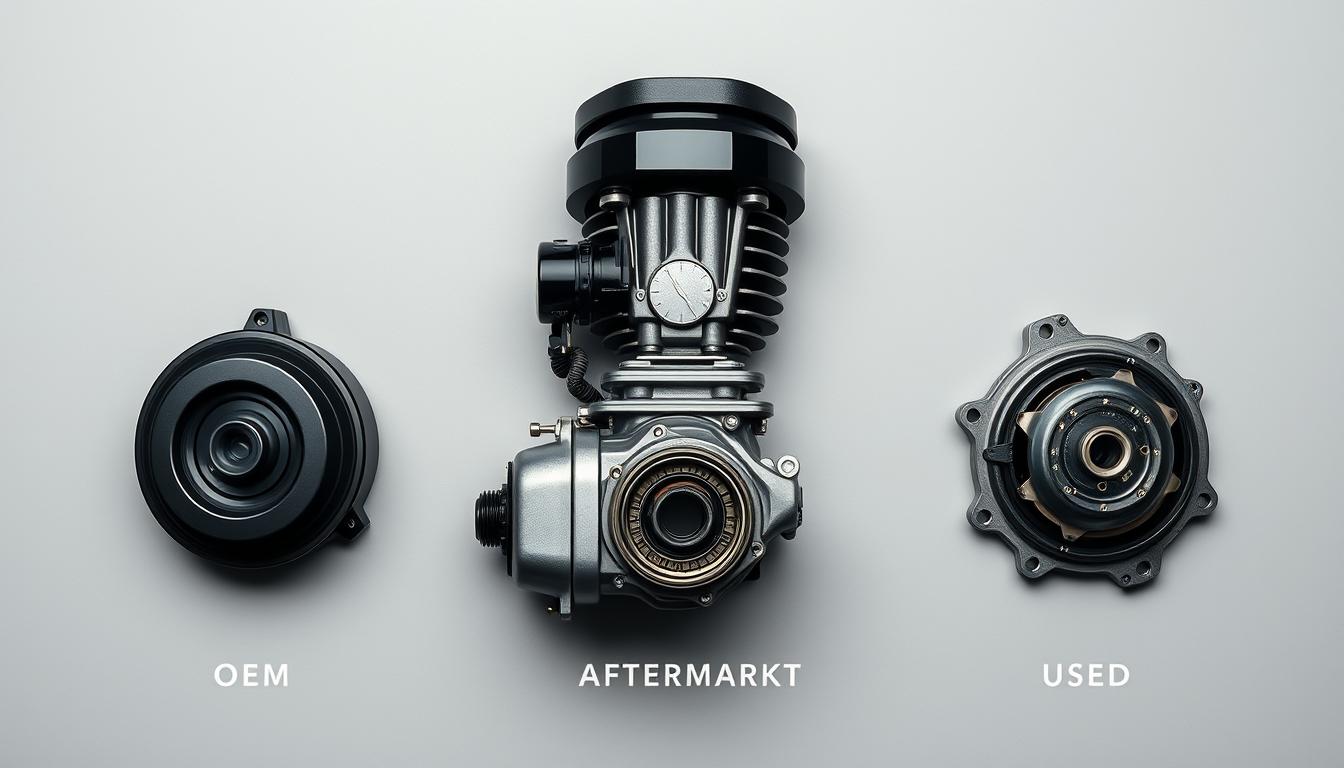
Deciding between OEM and aftermarket parts can significantly impact your bike’s performance and cost. Providers often list both options, allowing you to compare condition and price using filters. This section will help you understand the key differences and make an informed choice.

Comparing OEM Rear and Front Wheel Options
OEM parts are designed specifically for your bike, ensuring perfect fitment and reliability. For example, an oem front wheel will match the exact specifications of your model. This reduces the risk of compatibility issues and ensures optimal performance.
Aftermarket quality and fitment vary. Choose a documented part from a reputable supplier and verify that it is suitable for the intended road use.
Here’s a quick comparison of OEM and aftermarket options:
| Feature | OEM | Aftermarket |
|---|---|---|
| Fitment | Perfect match | May require adjustments |
| Quality | Consistent | Varies by brand |
| Cost | Higher | More affordable |
| Customization | Limited | Wide range |
When choosing between front rear wheel options, consider your budget and riding needs. OEM parts are ideal for those seeking reliability, while aftermarket options offer flexibility and performance enhancements. Always verify the seller’s reputation and check user reviews for additional insights.
For more detailed comparisons, explore OEM versus aftermarket performance options. This will help you make a well-informed decision tailored to your specific requirements.
Balancing New Versus Used Purchase Benefits
When deciding between new and pre-owned components, it’s essential to weigh the pros and cons. Data from multiple platforms shows direct comparisons of new versus used parts, emphasising cost and quality differences. This section provides a balanced overview to help you make an informed choice.
New parts often come with warranties and guaranteed reliability. However, they can be significantly more expensive. On the other hand, pre-owned components offer cost savings but require careful inspection to ensure quality. For example, a front rear rim in good condition can perform just as well as a new one, provided it meets safety standards.
- Cost: Used parts are more affordable, but new parts offer long-term value with warranties.
- Condition: Inspect pre-owned components for wear, rust, or structural damage.
- Reliability: Check seller feedback and ratings to ensure trustworthiness.
Prefer listings that identify the donor bike, model year, part number and measured condition so fitment can be checked before ordering.
Performance metrics, such as durability and safety standards, should also guide your decision. For example, tread depth and rotation patterns are critical indicators of a part’s condition. Regular maintenance, like checking alignment every 4,350 miles, ensures longevity and performance.
“A thorough inspection can save you from costly mistakes and ensure a reliable purchase.”
By balancing initial costs against long-term savings, you can make a decision that suits your budget and riding needs. Whether you choose new or pre-owned components, understanding their impact on performance and safety is key.
Tips for a Successful Transaction in Australia
Navigating the purchase of pre-owned components in Australia requires attention to detail and understanding of key policies. Whether you’re buying locally or online, knowing what to expect can make the process smoother and more secure. This section provides practical advice to help you confidently complete your transaction.
Understanding Business Day Shipping and Tracking
Ask for tracking details and inspect the package for impact damage before accepting delivery.
For example, some sellers guarantee delivery within a specific number of business days. This transparency helps you plan and ensures your part arrives on time. If tracking information is delayed, contact the seller promptly for updates.
Knowing Your Money Back Guarantees
A clear written return policy is essential when condition or fitment cannot be checked in person.
Here’s a quick guide to evaluating return policies:
| Policy Feature | What to Look For |
|---|---|
| Return Window | At least 14 days for inspection |
| Refund Process | Full refund or store credit options |
| Shipping Costs | Free return shipping is ideal |
By understanding these features, you can ensure a hassle-free return process if needed.
Review patterns are more useful than a headline score; prioritise detailed feedback about comparable motorcycle parts.
Finally, leverage Australian Consumer Law (ACL) protections. If a part doesn’t meet acceptable quality standards, you may be entitled to a repair, replacement, or refund. This legal framework adds an extra layer of security to your purchase.
By following these tips, you can navigate the transaction process with confidence and ensure a positive experience.
Leveraging Buyer Ratings and Reviews
How do you ensure a reliable purchase when buying pre-owned parts? Buyer ratings and reviews are your best tools. They provide insights into a seller’s reliability and the quality of their components. By understanding how to interpret these, you can make safer and more informed decisions.
Identifying Top Rated Sellers
A used wheel is only good value when its straightness, bearing condition and repair history can be verified.
Here’s a quick checklist to spot top-rated sellers:
- High overall ratings (4.5 or above).
- Detailed product descriptions and images.
- Clear return and refund policies.
Using Seller Reviews to Make an Informed Choice
Heavy wheels need secure packaging and an appropriate carrier; agree on these details with the seller in advance.
Here’s a comparison of seller performance based on ratings:
| Seller | Rating | Key Feedback |
|---|---|---|
| Seller A | 4.8 | Fast shipping, accurate descriptions. |
| Seller B | 3.5 | Delayed delivery, poor packaging. |
Prefer listings that identify the donor bike, model year, part number and measured condition so fitment can be checked before ordering.
If tracking is not supplied when promised, contact the seller promptly and keep the written correspondence.
Finding Your Ideal Part on Trusted Platforms
Navigating trusted platforms to find the right part can save you time and money. With so many options available, knowing where to look and what to check ensures a smooth experience. This guide will walk you through the process step by step.
Use an established seller with traceable contact details, current photographs and a clear history of completed sales.
Use filters to narrow down your search. For example, if you’re looking for a set Honda component, filter by make, model, and condition. This ensures you only see relevant listings, saving you time.
Here’s a comparison of popular platforms:
| Check | Good evidence | Warning sign |
|---|---|---|
| Part identity | Donor model, year and part number | Generic or conflicting description |
| Condition | Current close-up photographs and measurements | Stock images or hidden damage areas |
| Seller terms | Written freight and return policy | Payment pressure or unclear returns |
Confirm the dispatch timeframe, tracked freight, insurance and packaging method before paying.
Ask for tracking details and inspect the package for impact damage before accepting delivery.
By following these steps, you can confidently find the right part for your needs. Whether it’s a set Honda component or another model, trusted platforms make the process efficient and secure.
Navigating Shipping, Tracking, and Return Policies
Understanding shipping and return policies can make your purchase experience smoother and more secure. Whether you’re buying locally or online, clear policies ensure transparency and reliability. This section will guide you through setting up tracking and handling returns effectively.
Setting Up Reliable Tracking with Business Day Updates
Heavy wheels need secure packaging and an appropriate carrier; agree on these details with the seller in advance.
If tracking is not supplied when promised, contact the seller promptly and keep the written correspondence.
Ensuring a Secure Return and Money Back Process
Keep the listing and invoice until the part has been inspected, measured and confirmed compatible.
Here’s a quick guide to evaluating return policies:
- Return Window: At least 14 days for inspection.
- Refund Process: Full refund or store credit options.
- Shipping Costs: Free return shipping is ideal.
“A thorough inspection can save you from costly mistakes and ensure a reliable purchase.”
Confirm the return window, exclusions and return-freight responsibility in writing before purchasing.
Finally, communicate with sellers about tracking updates and return processes. Clear policies and transparency protect your investment and ensure a positive experience.
Safety, Fitment, and Maintenance Best Practices
Ensuring your ride’s safety and performance starts with proper fitment and maintenance practices. Regular checks and upkeep not only extend the life of your components but also keep you safe on the road. This section provides expert tips on compatibility and maintenance to help you make the most of your investment.
Tips for Checking Rim Tire Compatibility
Compatibility is crucial for safety and performance. Start by verifying the dimensions of your oem rear parts. Ensure the bead-seat diameter matches your bike’s requirements. For example, a Harley Street Glide may need specific measurements for optimal fitment.
Check the tread pattern and rubber quality. Radial tyres, marked with an “R,” are ideal for high-speed applications. Bias tyres, indicated by a dash, are better for moderate speeds. Always use a tread depth gauge to ensure a minimum of 1.6 mm for dry conditions.
Here’s a quick reference for compatibility checks:
| Component | Check | Standard |
|---|---|---|
| Rim Diameter | Bead-seat diameter | Match bike specifications |
| Tread Depth | Minimum depth | 1.6 mm (dry), 3.0 mm (wet) |
| Rubber Quality | Load index, speed rating | Match manufacturer guidelines |
Maintaining Your Used Parts After Purchase
Regular maintenance is key to extending the life of your components. Check tyre pressure weekly, ensuring it’s measured cold for accuracy. Metzeler recommends replacing tyres when tread depth falls below 2 mm for safety.
Clean your tyres with warm water and basic soap, avoiding harsh chemicals. Store them below 25°C to prevent aging. If you notice uneven wear, inspect your suspension and alignment. These steps ensure your oem rear parts remain in top condition.
“Proper maintenance not only enhances performance but also ensures your safety on the road.”
Follow a maintenance schedule tailored to your bike. For example, balance your wheels after fitting new tyres. Dynamic balancing is preferred for rims over 2.5 inches in width. This prevents uneven wear and extends tyre life.
By following these practices, you can confidently maintain your components. Whether it’s a Harley Street Glide or another model, proper care ensures a smoother and safer ride.
Conclusion
Making informed decisions when purchasing pre-owned components ensures both safety and value. By focusing on compatibility and condition, you can find parts that enhance your ride without breaking the bank. Always verify dimensions, inspect for wear, and check seller ratings to avoid costly mistakes.
For models like the road king, ensuring proper fitment is crucial. A well-matched rim tire not only improves performance but also maintains safety standards. Leverage trusted platforms with clear return policies and detailed descriptions to make your purchase stress-free.
By applying these insights, you can confidently navigate the market. Whether you’re upgrading or replacing parts, thorough research and careful inspection will always pay off. Start your search today and enjoy the benefits of a smarter, safer ride.
Related Motorcycle Parts Guides
- The Art of Selecting the Right Used Motorcycle Suspension Components
- A Buyer’s Guide to Used Motorcycle Brake Systems
- Browse all motorcycle parts guides